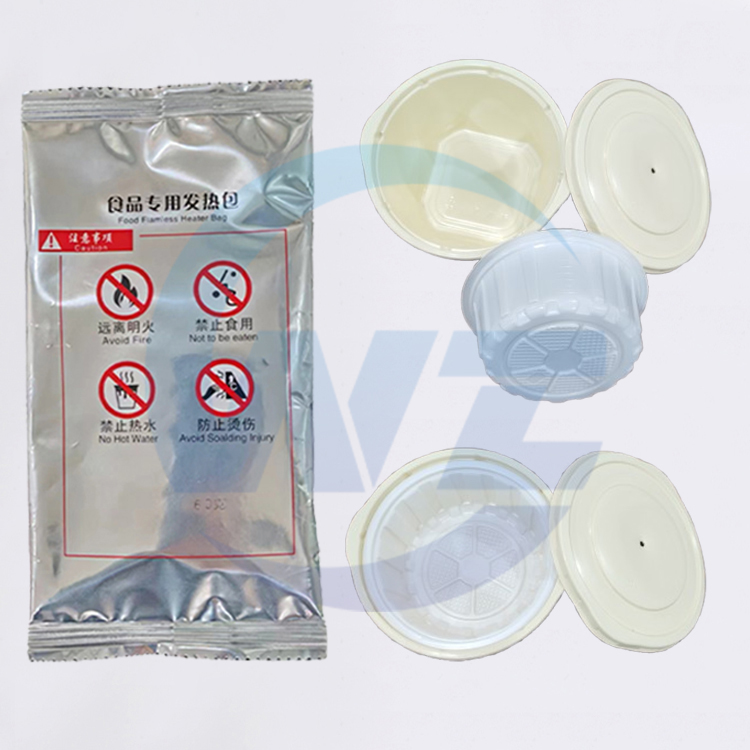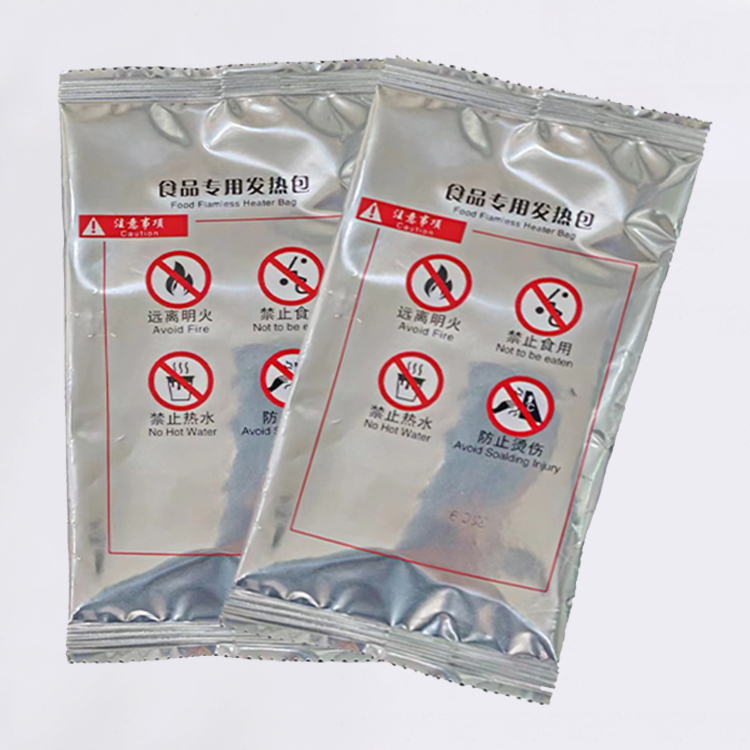
by Kevin
Share
by Kevin
Share
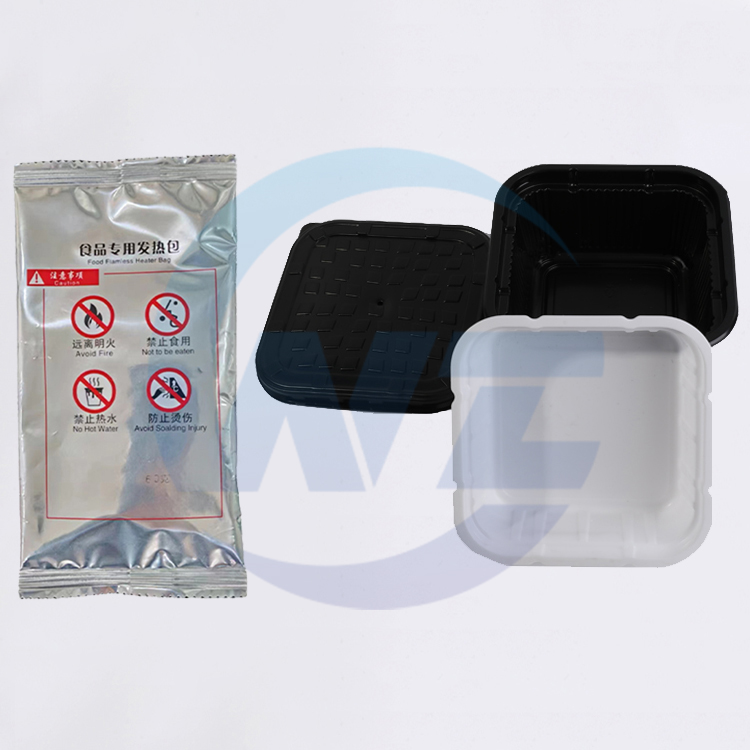
If you scroll through backpacking forums, survival subreddits, or emergency preparedness communities, you’ll notice a major shift in how people plan their rations. The days of choking down ice-cold canned tuna or crunchy freeze-dried chunks in the middle of a storm are fading fast.
Instead, outdoor enthusiasts and tactical preppers are pairing off-the-shelf retort pouches with commercial FRHs (Flameless Ration Heaters) to create custom, hot comfort meals on demand.
But with so many options filling the supermarket aisles and survival catalogs, a popular question frequently pops up: What’s your go-to non-perishable food for self-heating?
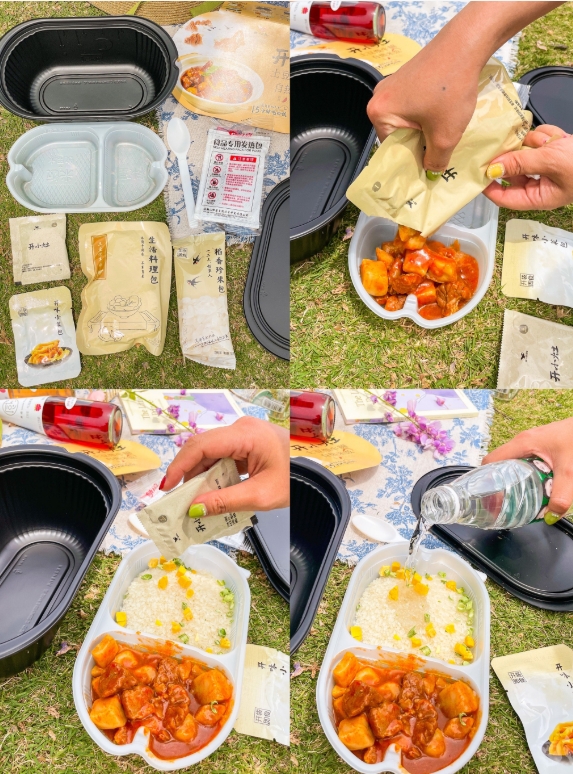
As a premier direct-factory manufacturer that has engineered exothermic chemical reactions for millions of meal kits worldwide, we’ve tested almost every food category under the sun in our R&D labs. Here is a definitive breakdown of the best non-perishable foods to pair with a generic flameless heater and the technical reasons why they work.
The Top Contenders: What Heats Best in the Wild?
When selecting a non-perishable food for self-heating, you can’t just throw any aluminum can into a heating bag. The food needs to be packaged in high-barrier, flexible retort pouches (multi-layer laminate bags) to ensure rapid, safe heat transfer.
Here are the undisputed community favorites that deliver the highest satisfaction:
1. Thick Meat Stews and Chilis (The Psychological Champion)
-
Why it’s a go-to: There is nothing better than hot, calorie-dense beef stew or chili after a punishing 15-mile trek under a strict forest fire ban.
-
The Technical Reality: High-fat, high-density proteins have a high thermal mass. They require a powerful, sustained heat curve (maintaining above 60°C/140°F for at least 12 minutes) to ensure the core of the food becomes piping hot without scorching the edges.
2. Pre-Cooked Rice and Pasta Blends (The Carbo-Loader)
-
Why it’s a go-to: Ready-to-eat pouches of Spanish rice, jasmine rice, or ready-made pasta with marinara sauce are lightweight, affordable, and widely available in standard grocery stores.
-
The Technical Reality: Carbohydrates heat up incredibly fast because starch transfers heat efficiently. A generic 50g-60g heating pad can easily bring a 250g rice pouch to optimal eating temperature within 8 to 10 minutes.
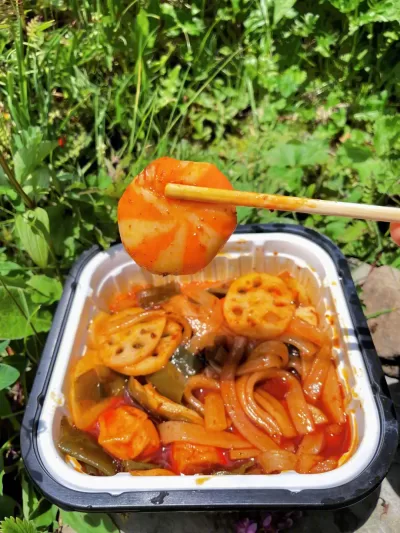
3. Savory Soups and Curries (The Quick Hydrator)
-
Why it’s a go-to: Lentil soups, chicken noodle bowls, and coconut curries provide instant hydration along with vital sodium and nutrients.
-
The Technical Reality: High-moisture, liquid-heavy foods utilize natural convection during the heating process. As the bottom heats up, the liquid circulates, resulting in perfectly uniform heat with zero cold spots.
The Factory Secret: Matching the Heater to the Meal Matrix
While a generic heater can warm up most commercial pouches, B2B procurement managers and brand owners looking to build an integrated self-heating product line need to look closer.
As an integrated manufacturing and export enterprise, our in-house laboratory provides custom Thermal Profiling. We measure the precise moisture ratio, density, and pouch dimensions of your chosen non-perishable foods. Then, we adjust our automated chemical blending lines (magnesium-iron formulas) to ensure the heater delivers the exact calories required for your specific menu—whether it’s a delicate vegan soup or a massive 400g ration.
| Food Matrix Type | Core Heating Challenge | Recommended FRH Specification (2026 Ready) |
| High Density / High Fat (e.g., Beef Chili) | Slow heat absorption, risk of cold centers | High-Sustained Curve: Peak 95°C maintained for 12–15 mins |
| High Moisture / Liquid (e.g., Lentil Soup) | Rapid heat loss if outer package vents too fast | Steady-Venting Sleeve: Balanced steam retention via micro-perforations |
| High Carb / Starch (e.g., Quinoa & Rice) | Rapid initial heating, potential to stick | Standard Rapid Curve: Peak 85°C reached within 3 mins |
Conclusion: Elevate Your Food Product Line
The demand for premium, hot, on-the-go convenience is skyrocketing across the outdoor retail, disaster relief, and corporate survival sectors. If your brand currently manufactures or distributes retort shelf-stable meals, adding a custom-engineered flameless heater is the fastest way to turn a basic food item into a high-margin, all-in-one culinary experience.
Partnering with a verified direct factory ensures your heating systems are safe, legal for global shipping, and perfectly calibrated to your specific menu items.
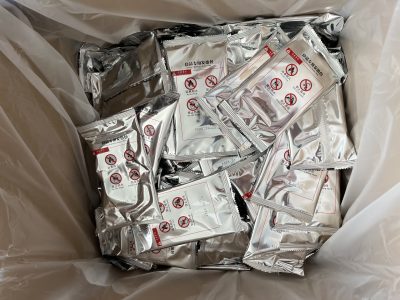
👉 [Contact Our Engineering & R&D Team Today] to send us your food pouches for a free thermal mapping test and receive custom-tailored FRH samples!
FAQ: Common B2B Sourcing Questions regarding Food & FRH Integration
Q: Can standard metal cans (like traditional soup cans) be used inside a flameless heater bag?
A: We strongly advise against it. Metal cans have a high thermal resistance, meaning it takes a massive amount of energy to heat the metal before the heat reaches the food. Furthermore, the rigid edges of a metal can can easily puncture the delicate micro-perforations of the inner chemical heating pad, causing an uneven reaction. Flexible, multi-layer retort pouches are the global industry standard for safe, efficient self-heating integration.
Q: Does the chemical reaction alter the taste or nutritional value of the non-perishable food?
A: Not at all. The exothermic reaction takes place entirely inside the sealed outer heater bag. The food pouch remains completely sealed and separated from the water-activated magnesium-iron pad. There is absolutely zero contact between the food and the heating elements, ensuring the meal’s flavor, aroma, and FDA food-contact safety compliance remain 100% intact.
Q: What is the minimum shelf-life requirement for the heaters when bundled with long-term survival foods?
A: Survival foods often boast a 1 year shelf life. To match this demand, our factory uses ultra-high-barrier VMPET+PE vacuum packaging for our standard FRH lines, guaranteeing a stable 1 year chemical shelf life in dry conditions. For specialized military or long-term civil defense stockpiles, we can engineer custom premium protective packaging extensions to further prolong stability.
Q: Our brand wants to launch a custom self-heating meal kit box. Can your factory handle the printing and packaging of the entire kit?
A: Yes! As a fully integrated enterprise, we provide complete contract packaging and OEM services. Our facility features high-volume automated lines with a monthly capacity of 5,000,000 units. We can support high-definition gravure printing up to 8 colors to print your custom logos, menu descriptions, and step-by-step instructions directly on the heating sleeves or outer display boxes, with a standard custom MOQ of 50,000 units.
STAY IN THE LOOP