by Kevin
Share
by Kevin
Share
Emergency Food Prep For Food: Why Meal Heating Matters
Emergency food preparation is about more than storing enough food. When electricity, gas, or conventional cooking equipment is unavailable, having a practical way to heat meals can make emergency planning much more effective.
A shelf-stable meal may remain safe to eat without heating, but a warm meal can provide a more comfortable and convenient experience during power outages, severe weather, evacuation situations, outdoor emergencies, and extended travel.
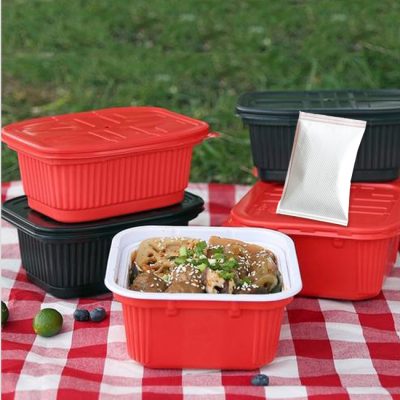
This is where flameless meal heating can become a useful part of an emergency food kit.
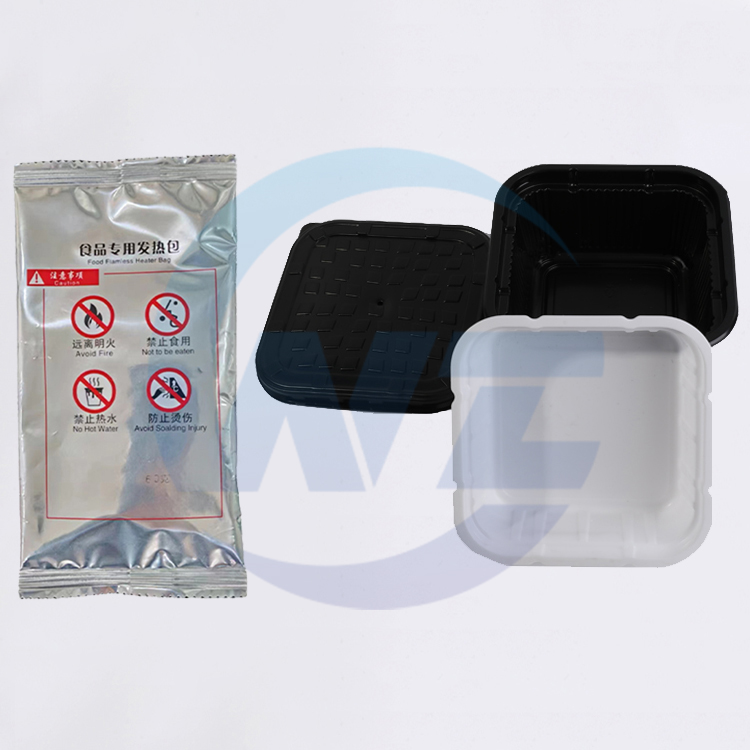
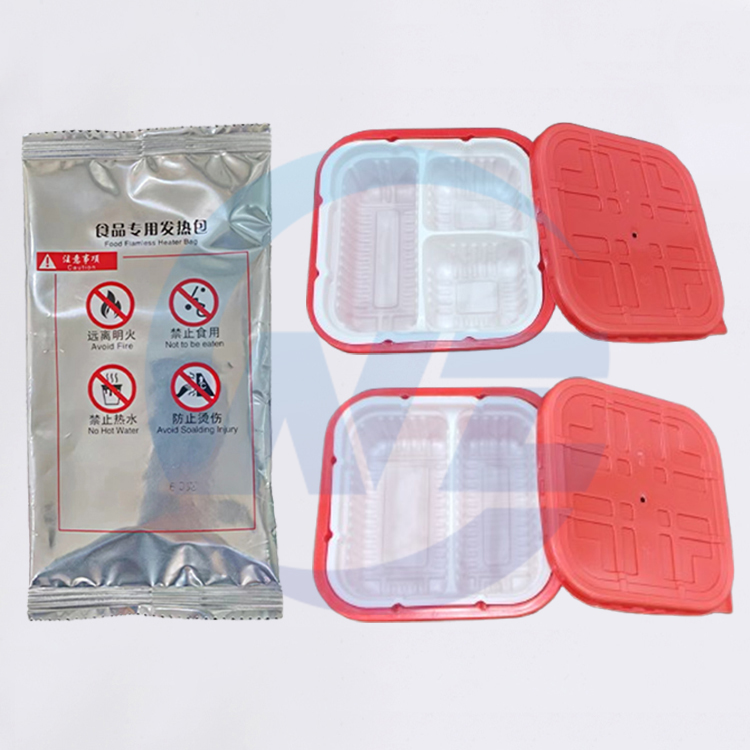
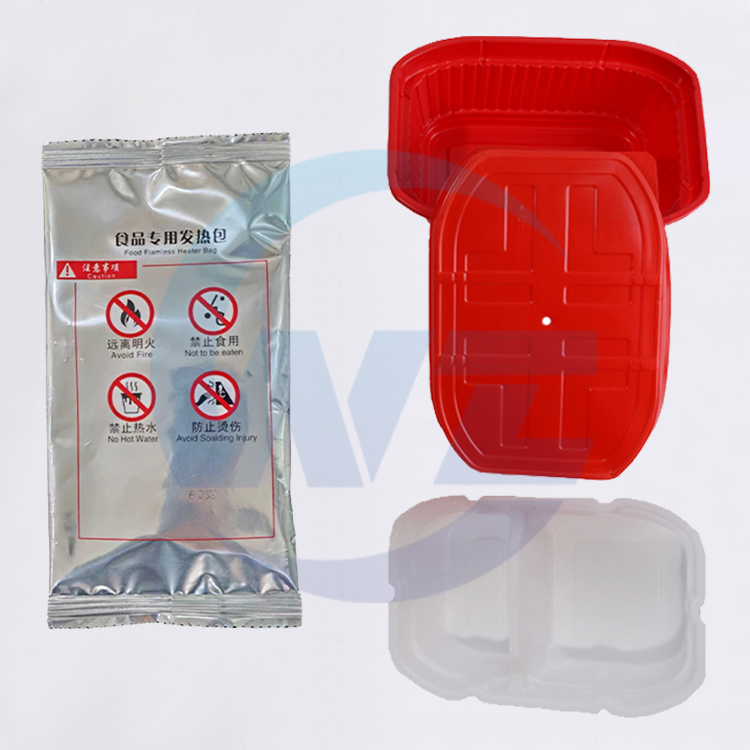
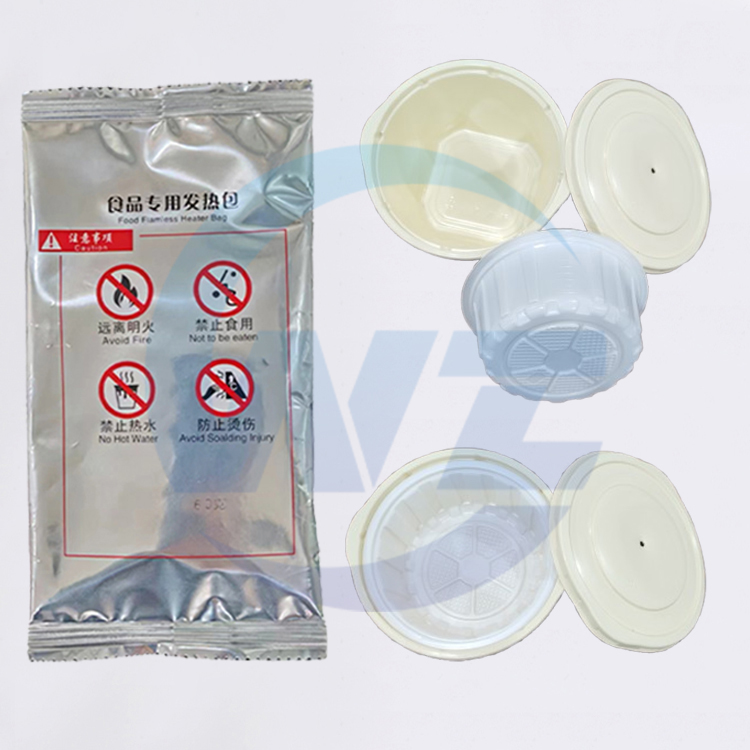
A water-activated Self Heating Bag for Food can generate heat without requiring a stove, electrical outlet, or open flame. For households, outdoor enthusiasts, emergency preparedness suppliers, and food manufacturers, this provides another option for convenient meal preparation.
At wordgen, we focus on practical heating solutions designed around portability, simple activation, and compatibility with packaged meals.
What Is Emergency Meal Heating?
Emergency meal heating refers to methods that allow packaged food to be warmed when conventional cooking equipment is unavailable.
Traditional emergency cooking equipment may include:
- Portable gas stoves
- Fuel canisters
- Camping cookware
- Battery-powered appliances
- Electrical cooking equipment
These options can work well in suitable environments, but they may require additional equipment, fuel, electricity, ventilation, or preparation space.
A Flameless Ration Heater takes a different approach. The heating pack is activated by adding a measured amount of water. The resulting exothermic reaction produces heat that is transferred to a food pouch or meal container.
This makes it particularly interesting for compact emergency food kits where space, weight, and simplicity are important.
How a Self Heating Bag for Food Works
The basic process is straightforward:
Place the meal inside the heating sleeve → Add water → Close the sleeve → Allow the heating cycle to develop → Enjoy a warm meal
The heating material remains separated from the food packaging. Water activates the heating formulation, producing thermal energy that transfers through the surrounding sleeve to the packaged meal.
The exact heating time and temperature depend on the formulation, package size, ambient conditions, water quantity, and meal type.
For this reason, users should always follow the activation instructions supplied with the specific heating product rather than relying on a universal time or water quantity.
Why Flameless Heating Makes Sense for Emergency Food Storage
1. No Stove Required
One of the biggest advantages of a water-activated heating system is that it does not require a conventional burner.
This can simplify an emergency food kit by reducing the number of components needed to prepare a warm meal.
For example, a compact kit could include:
- Shelf-stable meals
- Drinking water
- Self heating bags
- Disposable utensils
- Napkins
- Basic food-storage supplies
The heating component can therefore be integrated directly into an emergency meal package.
2. Compact for Long-Term Preparedness
Emergency supplies are often stored in limited spaces such as cabinets, storage rooms, vehicles, camping boxes, or dedicated preparedness containers.
A flat heating pouch can take up considerably less space than a complete cooking system.
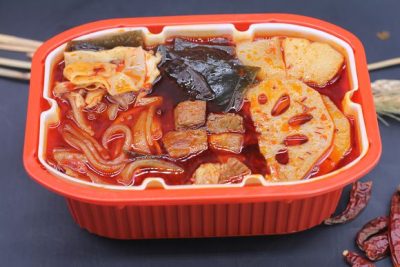
For distributors and food manufacturers, this also creates opportunities to develop ready-to-heat meal kits that combine food packaging and heating technology into one convenient product.
3. Useful During Power Outages
A power outage can affect more than lighting and communication. Electric appliances may also become unavailable.
An emergency food kit containing a water-activated heater provides an alternative way to warm compatible packaged meals.
However, users should always consider their surroundings and follow the product’s safety instructions. Flameless does not mean risk-free, and the heating sleeve can become hot during operation.
4. Convenient for Outdoor Emergency Planning
Emergency food preparation is not limited to the home.
Hikers, campers, road travelers, and outdoor enthusiasts may also need simple meal-heating options when conventional cooking equipment is inconvenient.
A Self Heating Bag for Food can be packed alongside shelf-stable meals and activated when needed.
For outdoor use, this can reduce the need to carry a complete cooking setup while keeping meal preparation relatively simple.
Emergency Food Prep: What Should You Store?
A well-designed emergency food kit should consider the entire meal-preparation process rather than focusing only on the food itself.
Recommended Components
Shelf-stable food
Choose meals that are designed for extended storage and follow the manufacturer’s storage recommendations.
Drinking water
Water may be needed for both hydration and heater activation, depending on the product.
Select heating packs that are compatible with the size and type of meal you intend to heat.
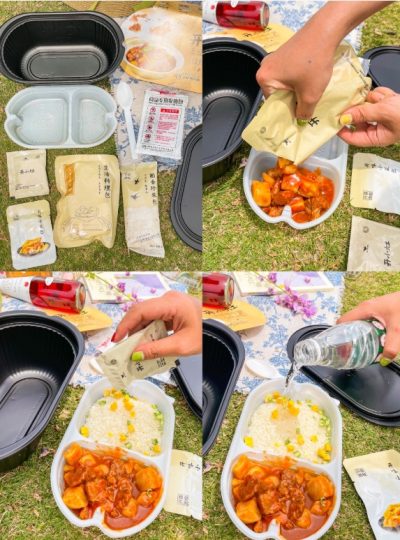
Food packaging
Pouches, trays, or containers should be suitable for the intended heating process.
Utensils
Disposable or reusable utensils can make meal preparation easier when normal kitchen equipment is unavailable.
Waste bags
Emergency food preparation should also include a plan for collecting used packaging and heating materials.
Choosing the Right Flameless Ration Heater
Not every heating pack is designed for the same application.
When comparing products, buyers should consider several factors.
Heating Performance
Look at the manufacturer’s documented heating profile rather than relying solely on marketing claims.
Important specifications can include:
- Activation time
- Heating duration
- Recommended water quantity
- Operating temperature range
- Compatible meal sizes
- Storage life
Packaging Quality
The outer sleeve needs to withstand the heat and moisture generated during activation.
A well-designed multilayer structure can help contain the heating process and provide a more consistent user experience.
Storage Stability
For emergency food applications, shelf life is especially important.
Buyers should review:
- Production date
- Recommended storage conditions
- Shelf life
- Packaging integrity
- Batch information
Compatibility
The heating system should match the intended food package.
A heater designed for a small meal pouch may not provide the same performance when used with a much larger food container.
For commercial buyers, testing the complete food + packaging + heater combination is therefore essential.
Emergency Meal Heating for Food Brands
Flameless heating technology is also relevant to food manufacturers and private-label brands.
Instead of selling a conventional shelf-stable meal alone, manufacturers can create a complete ready-to-heat solution.
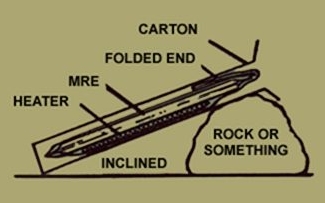
A typical product structure could include:
Meal pouch + heating bag + activation instructions + outer packaging
This approach can be attractive for:
- Emergency food suppliers
- Outdoor food brands
- Camping meal companies
- Convenience food manufacturers
- Retail preparedness products
- Ready-to-eat meal businesses
For companies developing a new product, heating performance should be tested with the actual meal packaging before commercial production.
How to Store Self Heating Bags for Food
Storage conditions can influence the performance and shelf life of heating products.
For long-term emergency food prep, keep heating packs according to the manufacturer’s recommended conditions.
In general:
- Keep unopened packs in their original packaging.
- Avoid unnecessary exposure to moisture.
- Store away from excessive heat.
- Inspect packaging periodically for damage.
- Follow the manufacturer’s stated shelf-life guidance.
- Rotate older emergency supplies according to your storage plan.
Most importantly, do not open or modify the heating pack before use.
Safety Tips for Water-Activated Heating
Although a Flameless Ration Heater does not use an open flame, it still generates significant heat.
Users should:
- Follow the manufacturer’s instructions.
- Use the specified amount of activation water.
- Keep the heating pack away from children and pets.
- Avoid touching the heating material during activation.
- Do not place the activated heater directly against skin.
- Use the product on a stable, suitable surface.
- Allow the heating system to cool before disposal.
- Do not consume or allow heating material to contact food.
The heating system is designed to transfer heat to the meal without direct contact between the heating formulation and the food.
Emergency Food Prep vs. Traditional Cooking
| Feature | Traditional Portable Cooking | Flameless Meal Heating |
|---|---|---|
| Open flame | Usually required | No |
| Electricity | Usually not required | Not required |
| Fuel | Often required | Water activation |
| Cookware | Often required | Usually minimal |
| Setup | More equipment | Simple activation |
| Packing space | Higher | Compact |
| Suitable for packaged meals | Yes | Particularly suitable |
| Heat source | Burner/electricity | Chemical reaction |
The right option depends on the situation. Flameless heating is not intended to replace every cooking method. Instead, it provides another solution when simple, portable meal warming is the priority.
Why Choose wordgen for Flameless Heating Solutions?
At wordgen, we understand that emergency food preparation requires more than a heating chemical. The complete solution includes the heating formulation, sleeve construction, packaging compatibility, activation instructions, and quality control.
For commercial customers, product development can be adapted around different meal formats and application requirements.
Our focus is on developing practical heating solutions for:
- Emergency food preparation
- Outdoor meal kits
- Camping food
- Shelf-stable meals
- Self-heating food products
- Private-label food brands
If you are developing a new self-heating meal product, our Flameless Ration Heater solutions can be used as a starting point for evaluating heating-pack options and product integration.
Building a Better Emergency Food Kit
The best emergency food kit is not necessarily the largest one. It should be practical, organized, and easy to use when normal infrastructure is unavailable.
A simple preparation strategy is:
Step 1 — Choose shelf-stable meals
Select foods according to your expected storage period and dietary requirements.
Step 2 — Match the heating solution
Choose a heating pack appropriate for the meal’s packaging and serving size.
Step 3 — Store sufficient water
Remember that some self-heating systems require water for activation.
Step 4 — Prepare instructions
Clearly label activation steps and safety information.
Step 5 — Test before an emergency
Test the complete meal and heating system under controlled conditions before placing it into long-term storage.
This final step is particularly important for commercial food brands. A heater that performs well in isolation may behave differently when paired with a particular pouch, tray, meal volume, or outer package.
Conclusion: Make Emergency Food Prep More Practical
Emergency food preparation is ultimately about reliability, convenience, and preparedness.
A water-activated Self Heating Bag for Food can provide a compact way to warm compatible meals without relying on conventional cooking equipment. For households, outdoor users, food manufacturers, and preparedness brands, it can become a useful component of a complete emergency meal solution.
For businesses, the opportunity goes further. Combining shelf-stable food with a Flameless Ration Heater can create a convenient ready-to-heat product designed around modern emergency food and outdoor-meal needs.
At wordgen, we support businesses exploring flameless meal-heating solutions and product integration. If you’re developing an emergency food kit or self-heating meal, selecting the right heater, packaging, and activation method is the foundation of a reliable product.
FAQ: Emergency Food Prep & Self Heating Bags
1. How long can a self heating bag for food be stored?
Storage life depends on the specific formulation and packaging. Always follow the manufacturer’s stated shelf life and recommended storage conditions.
2. Does a Flameless Ration Heater require electricity?
No. A water-activated heating system does not require an electrical outlet. The heating process is initiated by adding the specified amount of water.
3. Can I use any amount of water to activate the heater?
No. Use the amount specified by the product manufacturer. Too little or too much water may affect heating performance.
4. Can the heating material touch my food?
It should not. The heating formulation is designed to remain separated from the food packaging. Never open the heating pouch or allow its contents to contact food.
5. Can these heating bags be used for camping?
Yes, compatible products can be useful for camping and outdoor meal preparation. However, users should always check local regulations and follow the heater’s operating instructions.
6. Are self-heating bags suitable for emergency food kits?
Yes. Their compact design and water-activated operation make them a practical option for compatible shelf-stable meals and emergency meal kits.
7. Can food manufacturers customize the heating bag?
Depending on the supplier and order requirements, options may include different dimensions, packaging structures, heating capacities, and private-label outer packaging. Commercial buyers should confirm specifications before production.
8. How should used heating bags be disposed of?
Allow the heating system to complete its cycle and cool according to the manufacturer’s instructions. Dispose of the used product in accordance with the product instructions and applicable local waste regulations.
9. What should I test before launching a self-heating meal?
Test the heater, food pouch, meal volume, outer sleeve, activation water, heating time, and final food temperature as a complete system. This provides much more useful data than testing the heater alone.
STAY IN THE LOOP