by Kevin
Share
by Kevin
Share
If you look inside the pantry of any modern prepper, emergency planner, or hardcore camper, you’ll likely find two things: a stack of standard, store-bought metal soup cans and a handful of military-grade Flameless Ration Heaters (FRHs).
Naturally, the DIY outdoor community regularly asks a fascinating question: Can you bridge these two worlds? Instead of buying expensive, specialized military MREs, can I just drop a standard, budget-friendly grocery store soup can directly into a generic flameless heating bag?

To separate internet rumors from real science, we ran a live technical experiment in our facility’s R&D laboratory. The verdict? It worked! But doing it safely and efficiently requires understanding some critical thermodynamic realities.
As a premier direct-factory manufacturer of chemical heating systems, here is the breakdown of our experiment, the data we recorded, and what it means for B2B brands looking to commercialize retail self-heating products in 2026.
The Experiment Setup
Our laboratory team took a standard, off-the-shelf 300g tin-plated steel can of chicken noodle soup and paired it with our factory-standard commercial 60g magnesium-iron exothermic pad.
-
The Challenge: Metal cans are rigid, cylindrical, and have a high thermal mass compared to thin, flexible aluminum retort pouches. They do not naturally mold to the shape of a heating pad, which minimizes the direct surface-area contact.
-
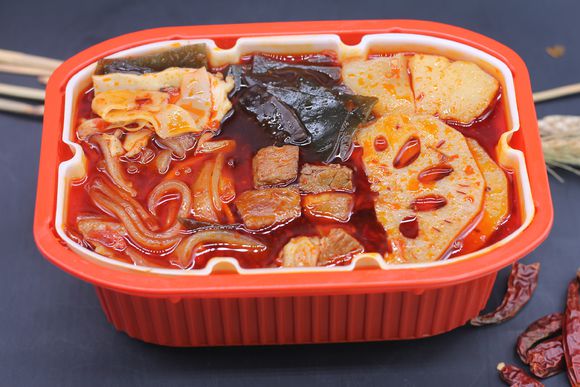
The Process: We cracked the pull-tab seal of the soup can slightly (Crucial Safety Step: never heat a completely sealed metal can, or it will explode from internal steam pressure!), placed it inside our high-barrier outer heating bag, added 60ml of ambient water, and sealed the bag’s zip closure.
The Laboratory Data: How It Performed
Despite the thermodynamic hurdles of rigid steel, our premium chemical formulation delivered impressive results:
| Timeline | Internal Soup Temperature | Observations / Visual Data |
| 0 Minute | 18°C (64.4°F) | Water added; exothermic reaction initiates within 15 seconds. |
| 3 Minutes | 42°C (107.6°F) | Intense steam generation. The outer bag vents perfectly via micro-perforations. |
| 8 Minutes | 61°C (141.8°F) | Heat passes the 60°C palatable threshold. Uniform boiling sounds inside the tin. |
| 12 Minutes | 78°C (172.4°F) | Peak Temperature Reached. The soup is piping hot and ready to serve safely. |
| 20 Minutes | 65°C (149.0°F) | Sustained thermal curve holding heat well after the active reaction finished. |
Why Our Heaters Succeeded Where Generics Fail
Generic, low-grade heating pads sourced from unregulated workshops often spike in temperature for 2 minutes and then die out. That format works for thin pouches but will fail to heat a heavy steel can. Because our automated blending lines utilize high-purity magnesium alloys paired with specialized thermal catalysts, our pads deliver a sustained, flat heat curve that continually pumps thermal energy through the steel wall for over 15 minutes.
The Safe Integration Path for B2B Food Brands
While this “hack” works in a survival pinch, it highlights a massive, untapped market opportunity for commercial grocery and camping food brands: Custom Self-Heating Canned Lines.
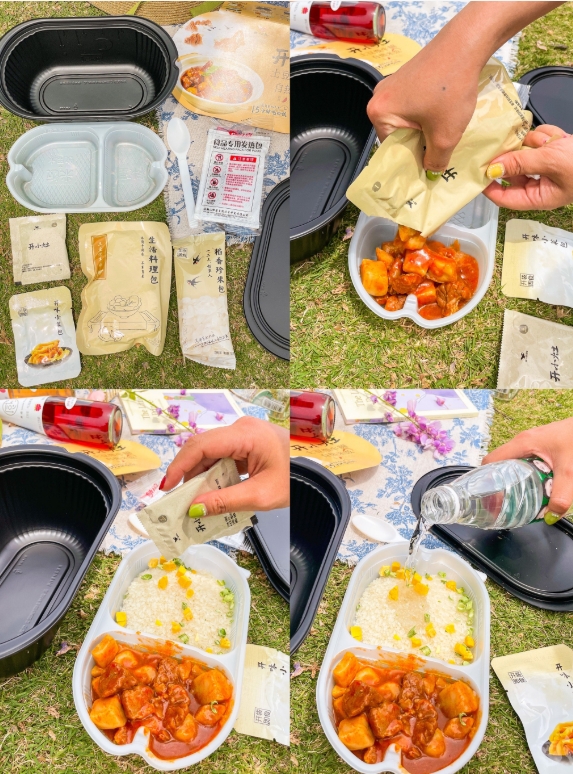
Instead of forcing consumers to squeeze rigid retail cans into generic bags, our factory provides end-to-end OEM customization. We can engineer double-walled self-heating cans or custom-shaped heating sleeves perfectly contoured to your specific canned food dimensions. This maximizes heat transfer efficiency, slashes heating times down to under 5 minutes, and creates a flawless, premium user experience.
Conclusion: Engineering the Future of Convenience Food
The experiment proves that advanced chemical heating pads possess the raw power to conquer heavy metal packaging. But for commercial scalability, brand safety, and optimized performance, custom-engineered thermal matching is always the superior path.
As a fully integrated manufacturing and trade enterprise, we have the automated cleanroom capacity (5,000,000 units/month) and R&D precision to turn your standard retail food lines into high-margin, self-contained, self-heating culinary products.
👉 [Contact Our Engineering & Prototyping Team Today] to send us your product packaging for custom thermal mapping and free prototype samples!
FAQ: Technical & Safety Procurement Questions
Q: Why is it absolutely vital to unseal or crack open a metal can before using it in a heating bag?
A: Thermodynamics 101: when liquids inside a closed metal container are subjected to temperatures nearing 95°C (203°F), they rapidly expand and generate high-pressure steam. If the container is hermetically sealed, it acts as a pressure vessel until it reaches a catastrophic failure point, resulting in a dangerous explosive rupture. Users must always pop the tab or puncture the lid to allow safe pressure equalization.
Q: Does heating a standard tin or aluminum can release toxic chemical coatings into the food?
A: No, not during a standard 15-minute FRH cycle. Standard modern food cans are lined with food-grade epoxy or polymer linings designed to withstand industrial retort sterilization temperatures (often exceeding 121°C/250°F) during the factory canning process. The 78°C peak reached by our flameless bag sits well within the safe operational parameters of standard commercial canning materials.
Q: What is the risk of the rigid metal can tearing the internal chemical heating pad?
A: This is a major risk with generic heaters. The sharp bottom rims of heavy steel cans can easily scratch, slice, or rupture low-grade paper heating sleeves, causing raw chemical powder to spill out and ruin the reaction. To prevent this, our factory utilizes high-tensile, food-grade non-woven composite films for our inner sleeves, ensuring they withstand intense physical friction and heavy loading in field conditions.
Q: What is the lead time and MOQ if our brand wants to develop a custom self-heating system for a canned product line?
A: For fully customized, custom-shaped outer heating sleeves tailored to your unique can dimensions, our standard OEM MOQ is 50,000 units. Our fast-track tooling and CAD validation sampling process takes just 7–10 days, followed by a reliable 25–30 day mass production cycle. All products ship with up-to-date UN3363 Transport Certifications and full MSDS compliance for seamless global logistics.
STAY IN THE LOOP